Moyo & Satonda: The Best Stopovers on a Lombok–Komodo Crossing 2027
Moyo and Satonda are the two stopovers that turn a Lombok–Komodo crossing from a delivery passage into a proper voyage. Anchor off Moyo Island for the Mata Jitu waterfall and quiet reef snorkelling, then wake up at…
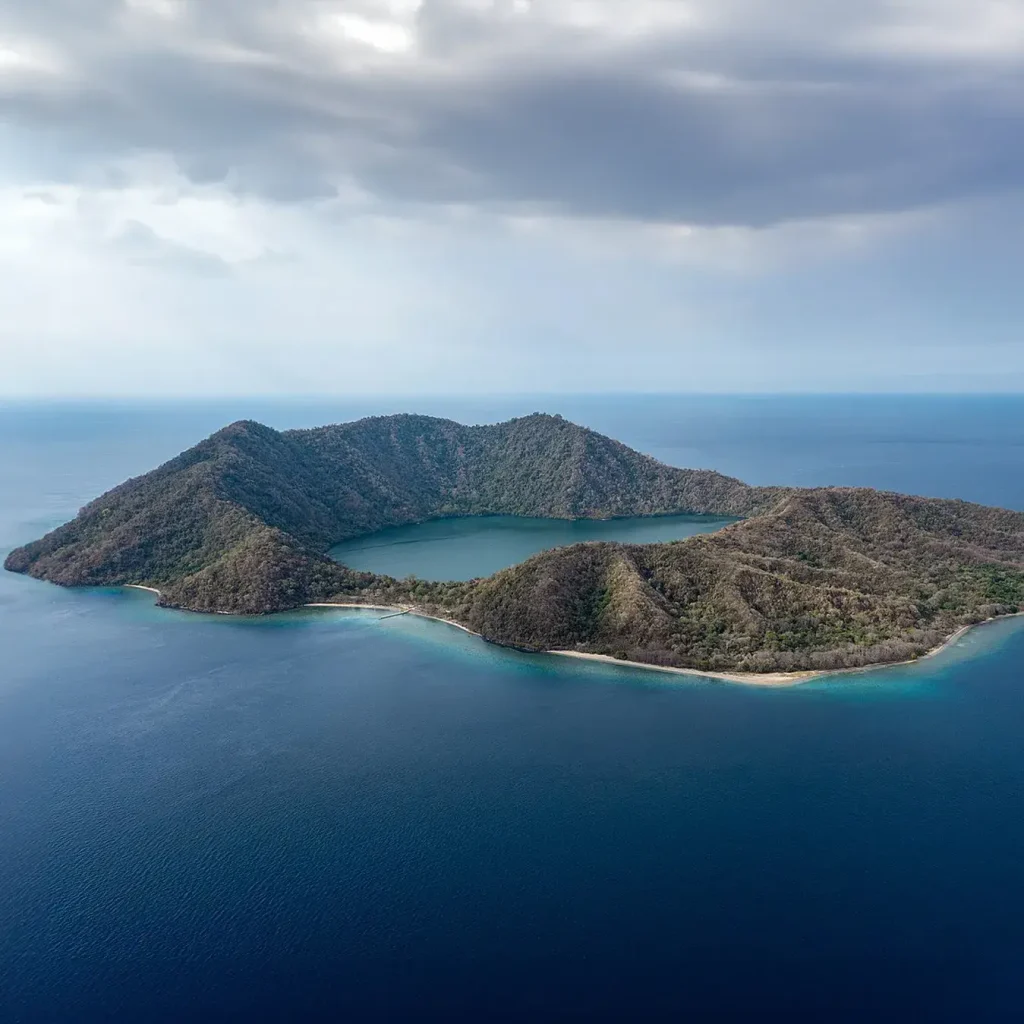
Moyo and Satonda are the two stopovers that turn a Lombok–Komodo crossing from a delivery passage into a proper voyage. Anchor off Moyo Island for the Mata Jitu waterfall and quiet reef snorkelling, then wake up at Satonda’s saltwater crater lake before entering the Komodo cruising grounds — that is the shape of the 2027 route in two sentences. Most guests researching this trip only compare boats and prices; almost nobody explains what actually happens on the two nights between Lombok and the national park. This guide fills that gap.
Why Sail the Crossing Instead of Flying to Labuan Bajo
The fast option is obvious: fly to Labuan Bajo and board a boat there. It works, but it compresses Komodo into a checklist. A yacht charter from Lombok to Komodo takes four to seven days and follows the routing that international brokers treat as standard for Indonesia: North Lombok and the Gilis, then Moyo and the Sumbawa coast, then Komodo National Park, ending in Labuan Bajo. The prime window is May to October, when rainfall is low and conditions across the crossing are at their most settled.
What the flight skips is exactly what makes the longer route worth it. You gain two anchorages that day-trip boats from Labuan Bajo never reach, you arrive in the national park already settled into ship life, and the itinerary breathes — no dawn airport transfer, no repositioning day. On a crossing, the journey between islands is the holiday, not the cost of it.
Moyo Island: A Marine Reserve With a Waterfall Inland
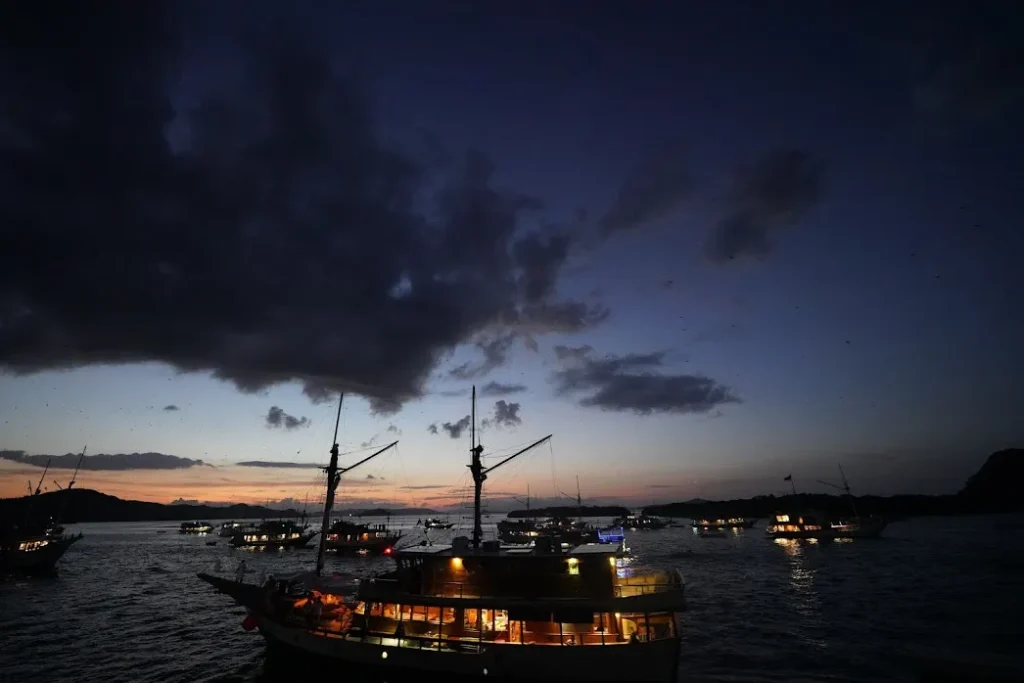
Moyo sits off the north coast of Sumbawa, roughly a day’s sail east of Lombok, and it is the first reason the crossing beats the flight. The island is lightly populated, ringed by reef, and has no road tourism to speak of — which is precisely the point. Yachts anchor off the west coast in calm, protected water.
The signature excursion is Mata Jitu waterfall, a short guided trip inland from the anchorage. The falls step down through a series of tiered limestone pools in jungle shade, and because access is essentially by boat, you will often have them close to yourselves — a very different experience from the queue-managed waterfalls of Bali or Lombok.
Back on the water, Moyo’s fringing reef offers easy snorkelling straight from the tender or the swim platform: healthy hard coral in the shallows, reef fish in good numbers, and gentle conditions suitable for children and first-time snorkellers. Crews typically time the stop so guests trek to the falls in the morning and snorkel through the golden late afternoon before dinner on deck.
Satonda: The Saltwater Crater Lake
A short hop east of Moyo, Satonda is a small ring-shaped island formed by an old volcanic cone — and inside the crater sits a lake of salt water, separated from the sea by the crater wall. A five-minute walk from the beach landing brings you to the rim, where the lake spreads out green and completely still, fringed by forest that is home to flying foxes which stream out at dusk.
Satonda is a stop that takes two hours and stays in the memory for years. The usual pattern is a sunrise or early-morning visit: swim in the lake’s unusually calm, buoyant water, walk a stretch of the rim, then return to the yacht for breakfast underway toward Komodo. Because the island lies directly on the crossing route, it costs the itinerary almost nothing — which is why we consider skipping it a planning error rather than a preference.
A Night-by-Night Itinerary Layout
Every charter is tailored, but a five-night Lombok–Komodo crossing in 2027 typically lays out like this:
- Night 1 — North Lombok / Gili islands. Board at Medana Bay on Lombok’s northwest coast, shake down over a sunset sail past the Gilis, anchor in sheltered water.
- Night 2 — Moyo Island. Day passage along the Sumbawa coast, afternoon arrival, snorkel the house reef, dinner at anchor.
- Night 3 — Moyo to Satonda. Morning trek to Mata Jitu waterfall, short repositioning sail, evening at Satonda watching the flying foxes leave the crater forest.
- Night 4 — Into Komodo National Park. Dawn swim in the crater lake, then the longest leg of the trip across the Sape Strait; anchor at Gili Lawa or Komodo’s northern bays.
- Night 5 — Komodo heartland. Dragon trekking at Loh Liang or Rinca, Pink Beach, manta sites, final night near Padar for the sunrise ridge walk, disembark in Labuan Bajo.
Seven-day versions add a second Gili day at the start and a full extra day inside the park. Note one naming trap: the famous Pink Beach is in Komodo National Park; Lombok has its own, separate Pink Beach on its southeast coast. On this route you get the Komodo one — ask us about the Lombok beach as a pre-charter day trip if you want both.
Sea Conditions From May to October
The crossing runs through the dry southeast-monsoon season, which is the reason May–October is the recommended window. Expect settled seas along the north coasts of Lombok, Moyo and Sumbawa, where the route spends most of its time in the lee of the islands. The one leg guests should understand in advance is the Sape Strait between Sumbawa and Komodo, where currents run strongly; experienced captains time this passage around the tide, which is one of several reasons the crossing belongs on a crewed vessel rather than a bareboat. July and August bring the briskest trade winds — excellent sailing weather — while May, June, September and October are typically the calmest months for guests prone to seasickness.
Choosing the Right Boat for the Crossing
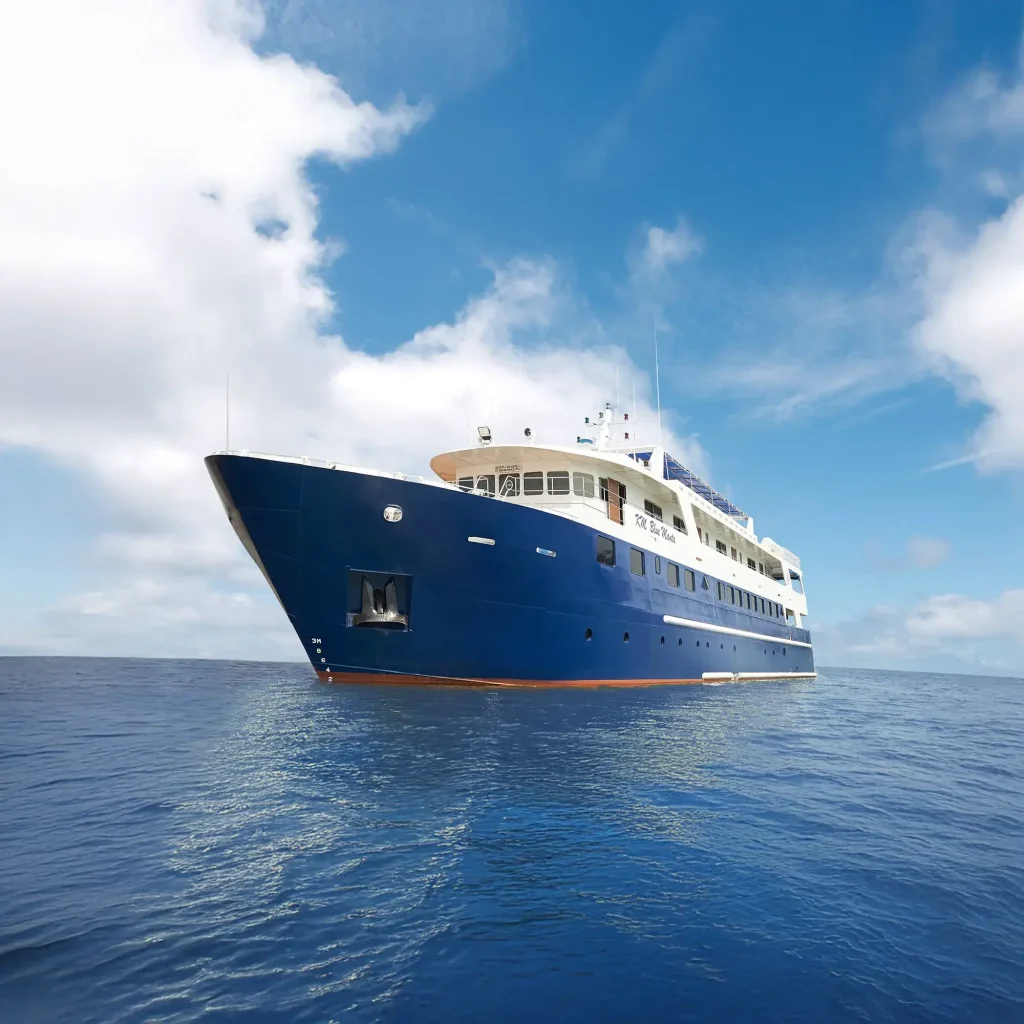
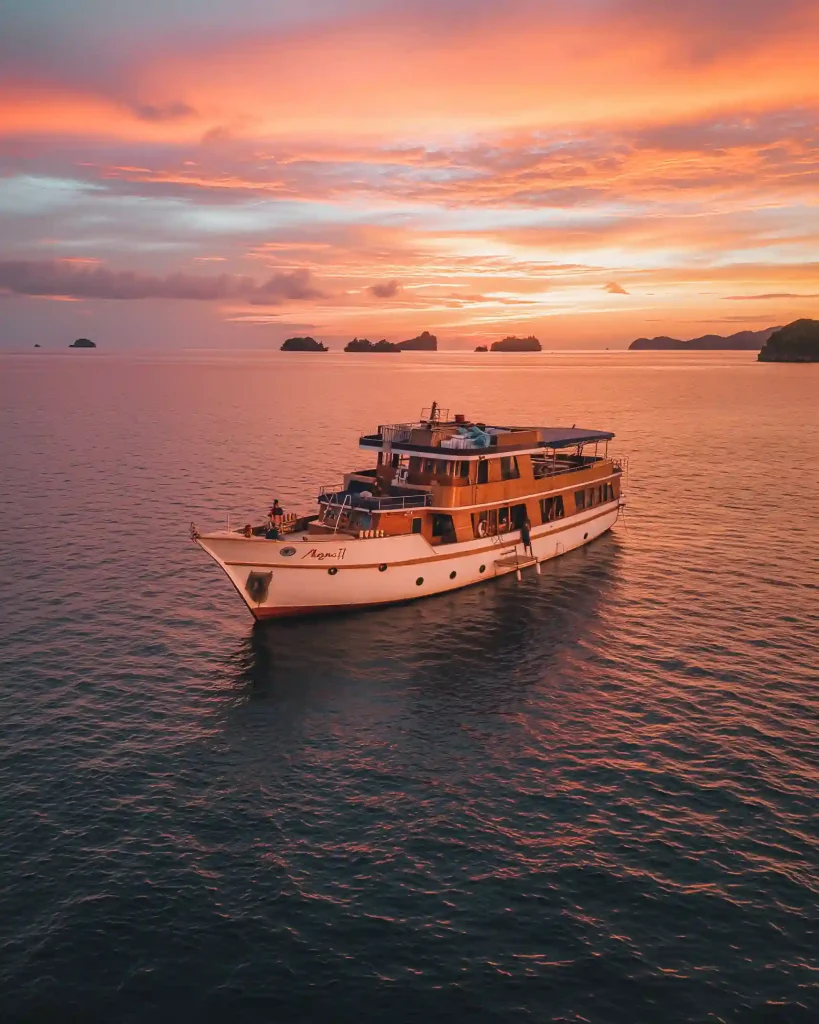
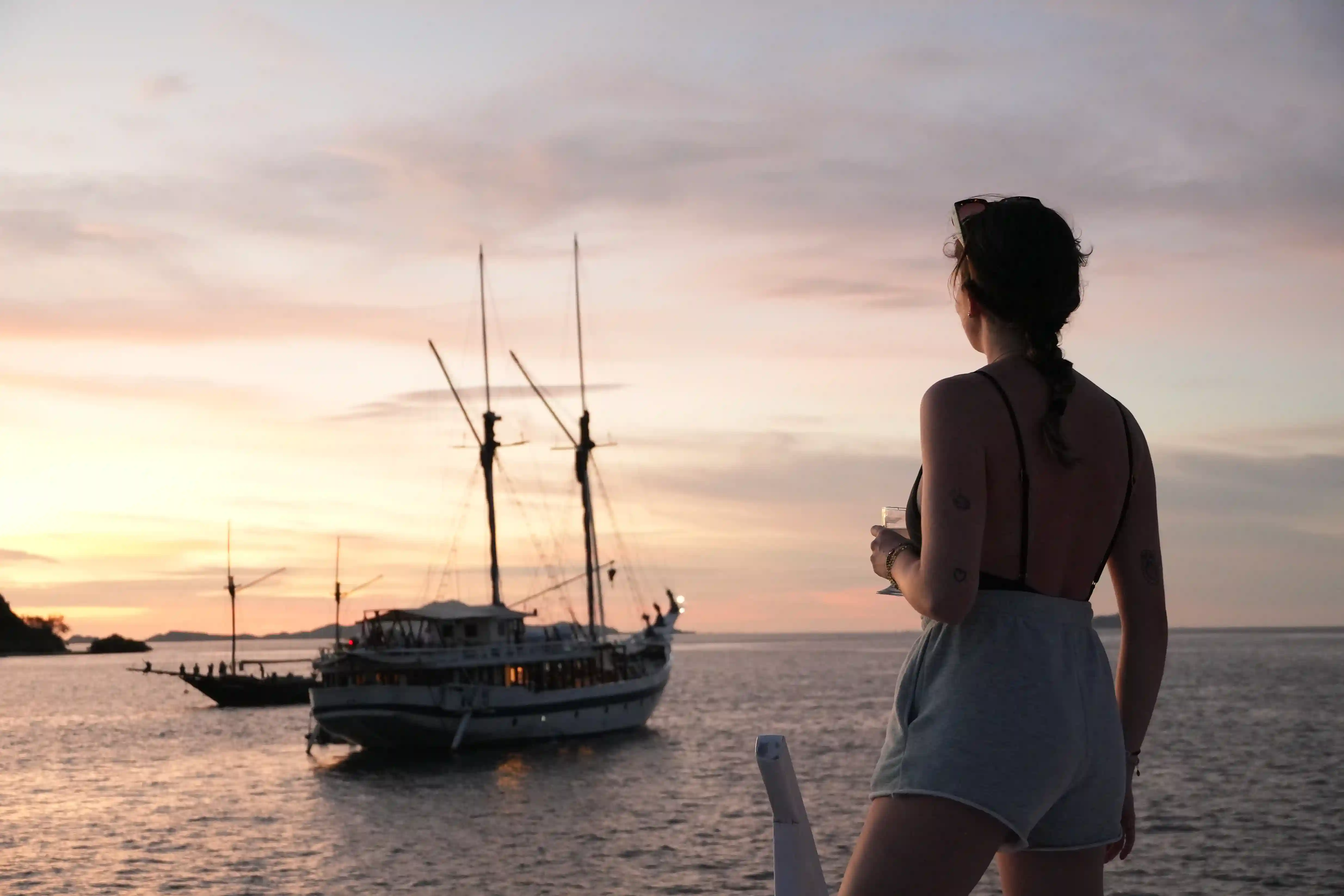
Three vessel types dominate this route. Traditional phinisi — Indonesian wooden sailing yachts, many over 30 metres — are the romantic default and carry the most deck space for a multi-day trip. Motor yachts in the 20–35 metre range cover the legs fastest. Sailing catamarans are the sweet spot for families and small groups: stable at anchor, shallow enough to tuck close to Moyo’s reef, and available through our Lombok catamaran charter fleet. Standard catamarans in this region are quoted per day, with large luxury catamarans well above them; multi-day crossing rates are quoted on request and depend on vessel, season and group size.
For the Komodo end of the route we work with Komodo Luxury’s boat charter fleet, the operator running phinisi and speedboats inside the national park itself, so the same standard of crew and safety carries through from Lombok waters into the park. Guests combining the crossing with a wider Indonesia trip can also lean on the Komodo Island travel desk at Bali Premium Trip for flights, hotels and the land side of Labuan Bajo before or after the charter.
Frequently Asked Questions
Can you visit Moyo and Satonda without doing the full crossing?
Realistically, no — not in comfort. Both islands sit off northern Sumbawa, far from any day-trip hub, and there is no meaningful hotel or ferry infrastructure for independent visits to Satonda. A liveaboard crossing between Lombok and Komodo is the practical way to see them.
Is swimming in Satonda’s crater lake allowed?
Yes, swimming in the lake is a normal part of the visit, and the calm, salty water is the highlight for most guests. Your crew will brief you on the current rules at the landing, as the island is a protected area and local arrangements can change season to season.
How rough is the Lombok–Komodo crossing?
In the May–October season most legs are calm, because the route hugs the sheltered north coasts. The Sape Strait crossing is the liveliest few hours of the trip; captains time it with the tide, and on a catamaran or larger phinisi most guests find it comfortable.
How many days should we allow?
Five nights is the comfortable minimum to include Moyo, Satonda and two full days inside Komodo National Park. Seven nights removes all time pressure and adds the Gilis properly at the Lombok end.
What does the crossing cost in 2027?
Pricing depends on the vessel and season. Catamarans are quoted per day at the standard end, with luxury vessels significantly higher; full crossing itineraries are quoted on request once dates and group size are confirmed.
Plan Your Moyo & Satonda Crossing
The Lombok–Komodo crossing books out early for the July–August peak, and the best catamarans and phinisi for the 2027 season are already taking holds. Tell us your dates, group size and pace, and we will lay out a night-by-night route with vessel options and a firm quote. Message us on WhatsApp at wa.me/628113823875 or email [email protected] to start planning.
Travelers who want these Moyo and Satonda stopovers built into a single itinerary can join the operator-run crossing that ends in Flores and the national park. See the packaged Lombok-to-Flores crossing.