Lombok Fishing Seasons 2027: Species, Spots & Charter Tips
The short answer: the most productive fishing season in Lombok runs through the dry months of May to October, when calm seas open up the offshore grounds, while the transitional periods either side of it are generally re…
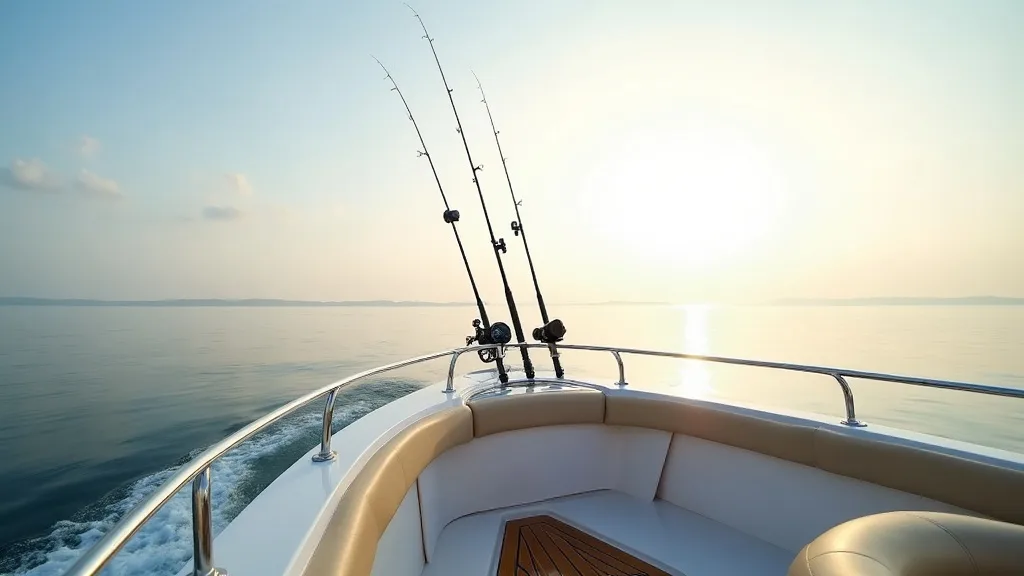
The short answer: the most productive fishing season in Lombok runs through the dry months of May to October, when calm seas open up the offshore grounds, while the transitional periods either side of it are generally regarded as the prime windows for pelagics such as mahi-mahi and tuna. Plan a 2027 trip around those windows, match your target species to the right ground — the deep Lombok Strait, the southern reef edges, or the offshore FADs — and almost any month can produce a memorable day on the water.
This guide breaks the year down species by species, explains the three main grounds, compares trolling, popping and jigging, and covers what a professional charter boat should provide.
Why Lombok’s Waters Fish So Well
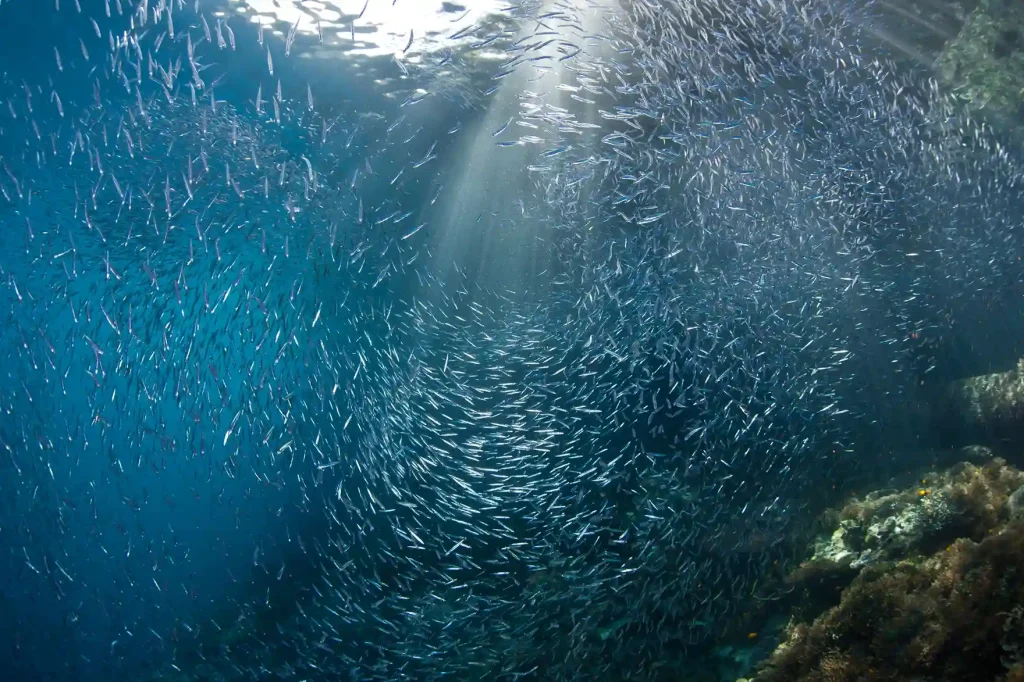
Lombok sits between two very different bodies of water. To the west, the Lombok Strait is one of the deepest channels in the Indonesian archipelago, funnelling strong currents between the Indian Ocean and the inner seas. That constant movement of cool, nutrient-carrying water concentrates baitfish — and where bait stacks up in a deep strait, tuna, wahoo and other fast pelagics follow.
To the south, the coastline drops away into the open Indian Ocean, with reef edges and headlands that give giant trevally ambush territory close to shore. Add the sheltered bays of Sekotong and the Secret Gilis in the southwest, where several Indonesia-wide charter operations keep boats around Gili Gede, and you have three genuinely distinct fisheries within reach of a single day charter.
Lombok Fishing Season Table by Species
Conditions shift from year to year, so treat the table below as a planning guide rather than a guarantee. It reflects the general pattern local crews work to: dry-season stability from May to October, with the shoulder months either side often producing the most active surface bites.
| Species | Typical Peak Window | Where to Focus | Preferred Technique |
|---|---|---|---|
| Mahi-mahi (dorado) | Transitional months — roughly April–June and September–November | Offshore FADs, current lines, floating debris | Trolling, casting around structure |
| Yellowfin tuna | Transitional months, with dry-season action around deep water | Lombok Strait drop-offs, offshore FADs | Trolling, jigging, popping on surface schools |
| Wahoo | Dry season, May–October | Strait current edges, outer reef walls | High-speed trolling |
| Giant trevally (GT) | Year-round, best when southern swell allows access | Southern reef edges, headlands, shallow pinnacles | Popping, stickbaiting |
| Dogtooth tuna | Dry season, when deep pinnacles are workable | Deep reef pinnacles in and around the strait | Vertical jigging |
| Spanish mackerel | Dry season into the shoulder months | Reef edges and bait-rich coastal water | Trolling, light jigging |
The rainy season from roughly December to March does not close the fishery, but wind and swell narrow your options. Crews tend to stay on the sheltered western side, working the strait and the Sekotong area, and choose their weather windows more carefully.
Trolling, Popping or Jigging: Matching Technique to Target
Trolling is the workhorse of Lombok fishing and the most forgiving option for mixed-ability groups. Dragging lures along current lines and FAD zones covers water efficiently and picks up mahi-mahi, wahoo, tuna and mackerel without demanding much technique from guests. With children or first-timers aboard, ask the crew to set a trolling spread first.
Popping is the adrenaline discipline: casting large surface lures onto shallow reef edges and working them back aggressively to raise giant trevally. It is physically demanding — expect hundreds of casts with heavy tackle. The southern coast’s reef structure is the classic GT territory, conditions permitting.
Jigging means dropping weighted metal lures to deep structure and retrieving them with a rhythmic pumping action. Over the strait’s pinnacles it is the technique most likely to connect with dogtooth tuna. Strong currents make this hard work; a crew that can position the drift matters more here than anywhere else.
Choosing Your Ground: Strait, South Coast or Offshore FADs
The Lombok Strait is the all-rounder. Deep water lies close to the western shore, so travel time is short, and the constant current keeps bait and predators moving through. It also stays workable during much of the wet season.
The southern coast is the specialist’s ground — dramatic reef edges facing the open Indian Ocean, home to GT and reef predators. Access depends entirely on swell, which is why southern trips are best planned in the dry season with a flexible date. Many guests pair a southern run with scenery: the same stretch of coastline leads toward the island’s famous rose-tinted sands, and a private boat trip to Pink Beach Lombok makes a natural add-on for the non-fishing members of your group.
Offshore FADs (fish aggregating devices, known locally as rumpon) are anchored floating structures used by Indonesian fishers to concentrate pelagics in open water. The runs are longer, but on the right day they offer the fastest mahi-mahi and tuna action of any option. Book a full day; half-days rarely leave enough fishing time after the steam out.
Regulations, Etiquette and Catch-and-Release
Recreational fishing from a licensed charter vessel is straightforward for visitors — you fish under the boat’s permits, and a professional operator handles the paperwork. A few principles keep the experience respectful and sustainable:
- Fish with crews who hold proper vessel and guiding licences; unregistered boats can expose guests to problems at the harbour.
- Release giant trevally and billfish as standard practice. GT are slow-growing resident predators; photographing and releasing them boatside protects the fishery you came to enjoy.
- Keep only what you will eat. Mahi-mahi, mackerel and modest tuna make excellent table fish, and most crews will prepare part of your catch fresh on board.
- Respect the rumpon owners. FADs are private working structures for local fishers — good charter captains know which ones welcome sport boats and approach them accordingly.
- Marine park and conservation zones carry their own rules; if your itinerary crosses toward Komodo waters, fishing inside the national park is restricted and your captain will plan around it.
What a Lombok Fishing Charter Actually Provides
A properly equipped boat removes almost every logistical question. On a dedicated Lombok fishing charter you can expect the vessel, fuel, an experienced captain and deckhand, trolling and jigging tackle, lures, ice boxes, drinking water and safety equipment to be included, with lunch and soft drinks typically part of full-day packages. Serious popping and jigging anglers often bring their own rods and preferred lures — airlines accept rod tubes as sporting luggage — but it is worth confirming the onboard tackle list before you pack heavy.
Group size shapes the experience: trolling suits six or more guests comfortably, while popping and jigging fish best with two to four anglers rotating positions. Departure points vary by ground — strait and FAD trips typically run from the west coast, while Gili-area departures use the same waters as our Lombok–Gili speedboat charter routes, so an early fishing session can end with an afternoon on Gili Trawangan or Gili Air.
Pricing depends on vessel class, distance to the ground and season; day rates are quoted on request and multi-day fishing-and-cruising combinations toward Sumbawa and Komodo — operated with the crossing expertise of Komodo Luxury — can be tailored around your target species.
Frequently Asked Questions
What is the best month for fishing in Lombok?
The transitional periods around April–June and September–November are generally the most productive for mahi-mahi and tuna, while the dry season from May to October offers the most reliable sea conditions for reaching every ground, including the southern GT coast and offshore FADs.
Can beginners join a Lombok fishing charter?
Yes. Trolling requires no prior experience — the crew sets the lines and hands you the rod when a fish strikes. Families regularly combine a morning of trolling with swimming and snorkelling stops. Popping and jigging are better suited to anglers with some casting or offshore experience.
Do I need a fishing licence to fish in Lombok?
As a guest on a licensed charter vessel you fish under the boat’s own permits, so no personal licence is required. Booking with a registered operator is the simple way to stay on the right side of the rules.
Is fishing possible during the rainy season?
Yes, with adjusted expectations. From December to March crews favour the sheltered western side of the island and the Lombok Strait, watching weather windows day by day. The fishing can still be good; the flexibility just needs to come from your schedule.
Can I keep and eat my catch?
Selective harvest is the norm: mahi-mahi, Spanish mackerel and modest tuna are excellent eating and the crew can prepare them fresh. Giant trevally and billfish should be released, and most captains treat that as standard practice rather than an option.
Plan Your 2027 Fishing Charter
Tell us your travel dates, group size and target species, and we will match you with the right boat, ground and technique for the season — a half-day trolling run in the strait, a full-day FAD mission, or a GT popping trip along the south coast. Message us on WhatsApp at wa.me/628113823875 or email [email protected] for availability and an indicative quote.