Reef-Safe Boating & Turtle Conservation in the Gilis: A 2027 Guide
Reef-safe boating around the Gili Islands comes down to a handful of habits: tie to a mooring buoy instead of dropping anchor on coral, wear mineral-based sunscreen, keep a respectful distance from sea turtles, and sail…
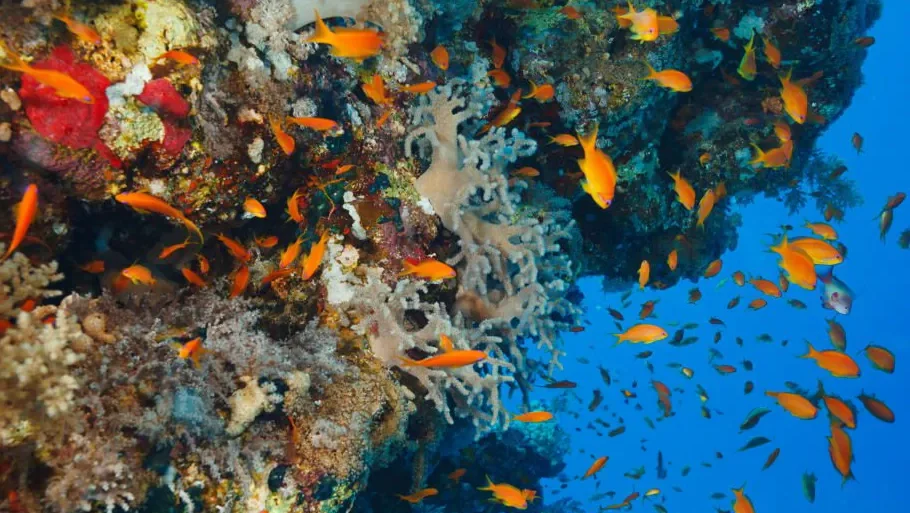
Reef-safe boating around the Gili Islands comes down to a handful of habits: tie to a mooring buoy instead of dropping anchor on coral, wear mineral-based sunscreen, keep a respectful distance from sea turtles, and sail with a crew that briefs every guest before anyone enters the water. This guide explains how those habits work in practice around Gili Trawangan, Gili Meno, and Gili Air in 2027 — and how charter guests can leave the reef in better shape than they found it.
The three Gilis are the most requested day-trip destination for boats departing North Lombok: shallow reefs, resident green and hawksbill turtles, short hops between islands. That popularity is exactly why boat behaviour matters — one careless anchor drop can undo years of coral growth.
Why the Gili Reefs Need Careful Boating in 2027
The reefs around the Gilis are recovering ecosystems, not untouched ones. The earthquakes that struck Lombok in 2018 damaged sections of reef, and warm-water bleaching events have stressed shallow coral since. Recovery is real but uneven — some snorkel sites have rebounded strongly, while others remain fragile, with young coral colonies easily broken by fins, feet, or anchor chain.
On a recovering reef, physical damage sets the clock back. How you arrive, where you tie up, and how you behave in the water is the most direct contribution any guest can make to Gili marine conservation.
Mooring Buoys vs Anchors: The Single Biggest Choice
An anchor and its chain do most of their damage out of sight: the anchor crushes whatever it lands on, and as the boat swings with wind and current, the chain sweeps an arc across the seabed, snapping coral as it goes. On sand this is harmless; on a reef flat it is destructive every single time.
Mooring buoys solve the problem with a fixed, pre-installed tie-up point — the seabed attachment is placed once, in a carefully chosen spot, and every vessel that uses it afterwards touches nothing else. Around the Gilis, moorings have been installed at popular snorkel sites through community and dive-industry initiatives, precisely so day boats never need to anchor on coral.
As a guest, one question at booking is enough: “Do you use moorings or anchor at the snorkel sites?” On a well-run private Gili Islands boat charter, mooring up — or drifting with a crew member at the helm where no mooring exists — is standard procedure, and anchoring is reserved for sand well away from live coral.
Reef-Safe Sunscreen: What to Bring and What to Leave Behind
Common chemical sunscreen ingredients — oxybenzone and octinoxate are the best known — have been linked to coral stress, and a growing number of reef destinations restrict them. Whatever the local rules say on any given day, the practical guidance for the Gilis is the same:
- Choose mineral-based sunscreen with zinc oxide or titanium dioxide as the active ingredients.
- Apply it early — at least 20 minutes before swimming, so it binds to skin instead of washing straight into the water.
- Cover up where you can. A rash guard protects better than any cream and puts nothing in the water.
- Skip aerosol sprays — most of the product drifts onto sand and water instead of your skin.
If you forget yours, tell the crew — a good charter carries a mineral option on board.
Turtle Etiquette: How Close Is Too Close
Green and hawksbill turtles are the signature encounter of the Gilis, especially off Gili Meno and along the Gili Air reef edge. They are wild animals going about their day — feeding, surfacing to breathe, resting under coral ledges — and the rules that keep encounters safe for them are easy to follow:
- Keep roughly 3 metres of distance — more if the turtle is resting or feeding. If it swims toward you, stay still and enjoy it.
- Never touch, chase, or ride a turtle. Touching stresses the animal and can damage its protective skin layer.
- Do not block its path to the surface. Turtles must breathe; hovering above a rising turtle forces it to stay down longer than it wants.
- No flash photography at close range, and no feeding — ever.
The same rules apply on every Lombok snorkeling boat charter we run. Our crews repeat them at every briefing because they work: calm snorkelers see more turtles, for longer, than anyone chasing them ever does.
The Community Side: Gili Eco Trust and Local Conservation Work
Conservation around the Gilis is carried by local organisations, dive shops, and island communities. Gili Eco Trust, the best-known conservation group on the islands, has spent years working on reef restoration structures, mooring programmes, waste management, and beach and underwater clean-ups, funded in part by small eco-contributions from divers and visitors.
For charter guests, a functioning conservation ecosystem already exists here. Paying eco-fees where collected, joining a clean-up if your dates align, or choosing operators who respect mooring and distance rules all feed directly into work already underway.
What Our Boats Do Differently
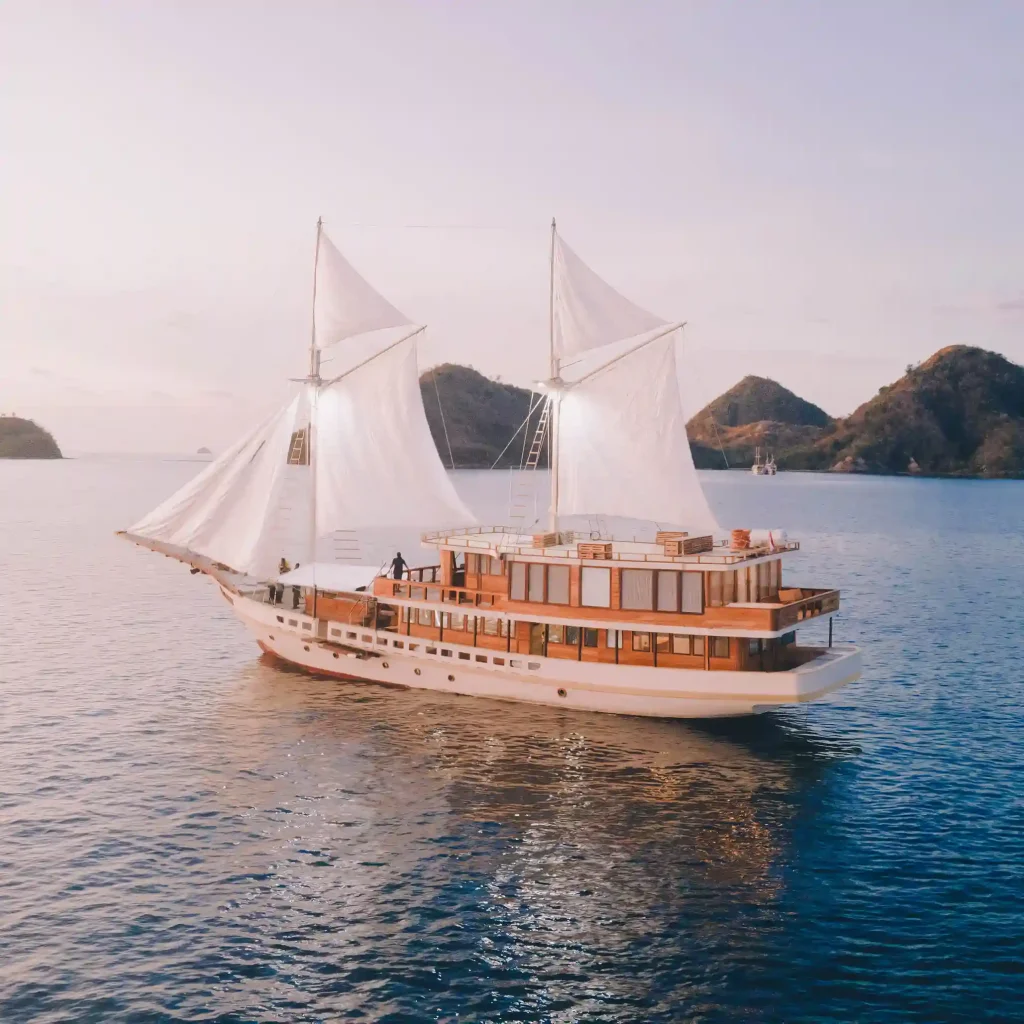
Lombok Yacht is part of the Juara Holding Group family of marine operators — the same group behind the Komodo Luxury fleet that runs our multi-day crossings toward Komodo. In the Gilis, the same operating standards apply:
- Pre-swim briefing on every charter. Before the first snorkel stop, the crew covers turtle distance, fin control, no-touch rules, and where the reef edge sits — in plain language, in a few minutes.
- No anchoring on reef. Moorings where they exist, drifting with a helmsman aboard where they do not, anchoring only on clearly identified sand.
- Nothing overboard. All waste stays on the boat and comes back to port — cigarette butts and wrappers included.
- Site rotation. When a popular site is crowded, we move. Fewer boats over one reef patch means less pressure on it — and a better swim for you.
Site rotation extends beyond the northern islands. The “Secret Gilis” of Sekotong Bay — Gili Nanggu, Gili Sudak, Gili Kedis and their neighbours — offer calm, shallow snorkelling with a fraction of the boat traffic, and a Secret Gilis and Sekotong day charter takes pressure off the busiest reefs while giving families quieter water and easy swimming. The same reef-safe rules apply there — arguably even more so, because these smaller sites see less formal management.
Practical Rules for Charter Guests: A Quick Checklist
- Pack mineral (zinc/titanium) sunscreen and a rash guard.
- Listen to the crew briefing — it is short and site-specific.
- Keep about 3 metres from turtles; never touch or chase marine life.
- Control your fins in shallow water; never stand on coral, even “dead-looking” coral.
- Take nothing from the sea — no shells, coral fragments, or sand.
- Keep all rubbish on board until you are back in port.
- Pay local eco-contributions where collected — they fund real work.
Frequently Asked Questions
Are there mooring buoys at the Gili snorkel sites?
Moorings have been installed at popular sites around Gili Trawangan, Meno, and Air through local conservation and dive-industry initiatives, though coverage varies and buoys need ongoing maintenance. Where none is available, our crews drift with a helmsman on board or anchor only on clear sand away from coral.
Is reef-safe sunscreen mandatory in the Gilis?
Local guidance can change, so treat mineral-based sunscreen as the default regardless of what is formally required. Zinc oxide or titanium dioxide formulas — or better yet, a rash guard — protect you without adding chemical load to a recovering reef.
How close can I get to a sea turtle while snorkeling?
Keep roughly 3 metres and let the turtle decide what happens next. Never touch, chase, feed, or hover directly above one — turtles need a clear path to the surface to breathe. Calm, patient snorkelers consistently get the longest encounters.
Did the 2018 earthquake destroy the Gili reefs?
No — it damaged sections of reef, and bleaching events have added stress since, but the picture in 2027 is one of ongoing, uneven recovery rather than loss. Some sites have rebounded well; others remain fragile, which is exactly why mooring use, fin control, and no-touch rules matter more than ever.
Can charter guests join conservation activities?
Often, yes. Island organisations such as Gili Eco Trust run clean-ups and restoration work, and visitors can contribute through eco-fees, scheduled events, or simply by choosing reef-safe operators. Tell us your dates and interests when booking and we will point you to what is on.
Plan a Reef-Safe Gili Charter
A conservation-minded charter delivers a better experience, not a lesser one: quieter sites, calmer wildlife, and a crew that knows the reef well enough to protect it. Tell us your dates, group size, and whether you want the three Gilis, the Secret Gilis, or a longer route, and we will build the day around reef-safe practice from first briefing to last swim.
Message us on WhatsApp at wa.me/628113823875 or email [email protected] — we typically respond within a few hours with a route plan and an indicative quote.