Essential Packing for a Lombok Yacht Liveaboard: Raja Ampat Expedition Prep
For a liveaboard yacht charter in Raja Ampat departing from Sorong, pack light, fast-dry, and reef-safe items in a soft-sided bag of 40 litres or less. Prioritise sun protection, humidity control, and compact marine gear…
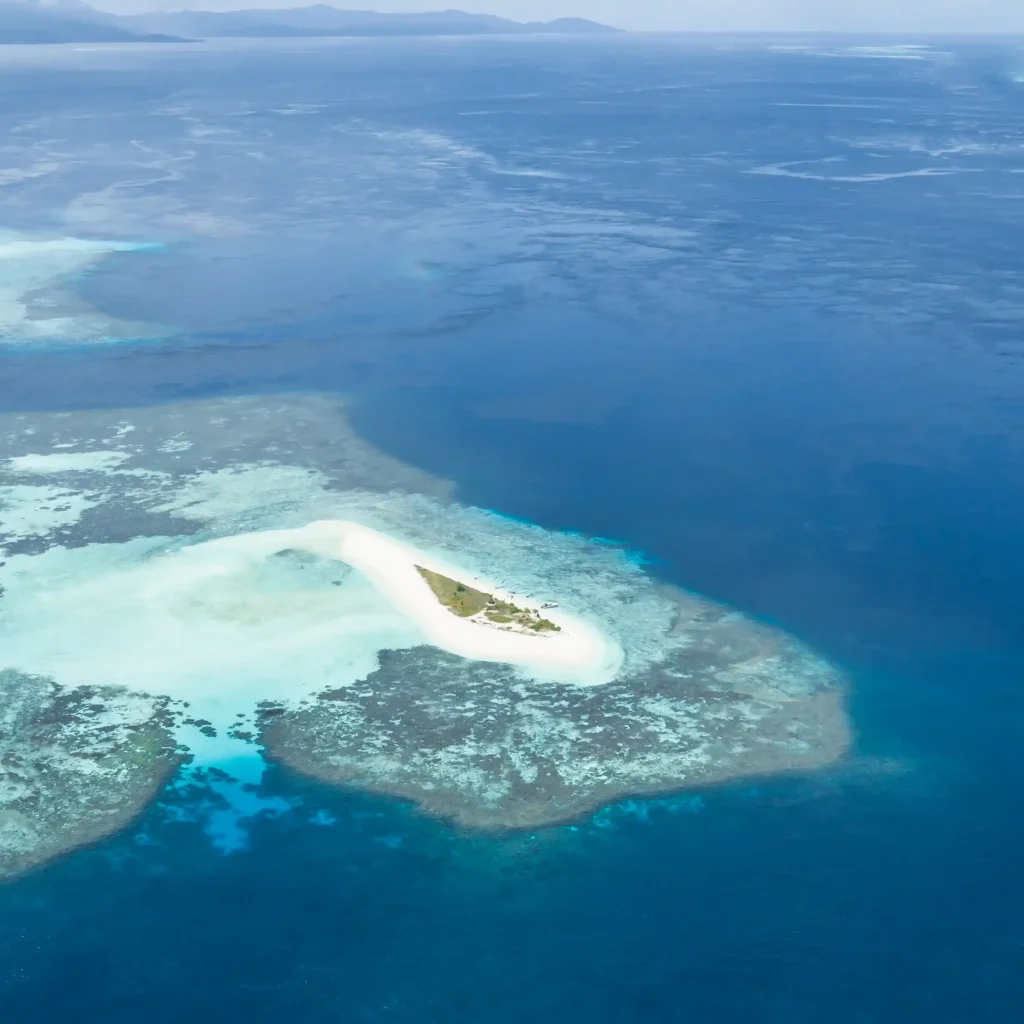
For a liveaboard yacht charter in Raja Ampat departing from Sorong, pack light, fast-dry, and reef-safe items in a soft-sided bag of 40 litres or less. Prioritise sun protection, humidity control, and compact marine gear to suit the tropical, all-inclusive diving environment, ensuring comfort and compliance with marine park regulations.
Understanding the Lombok Yacht Liveaboard Environment
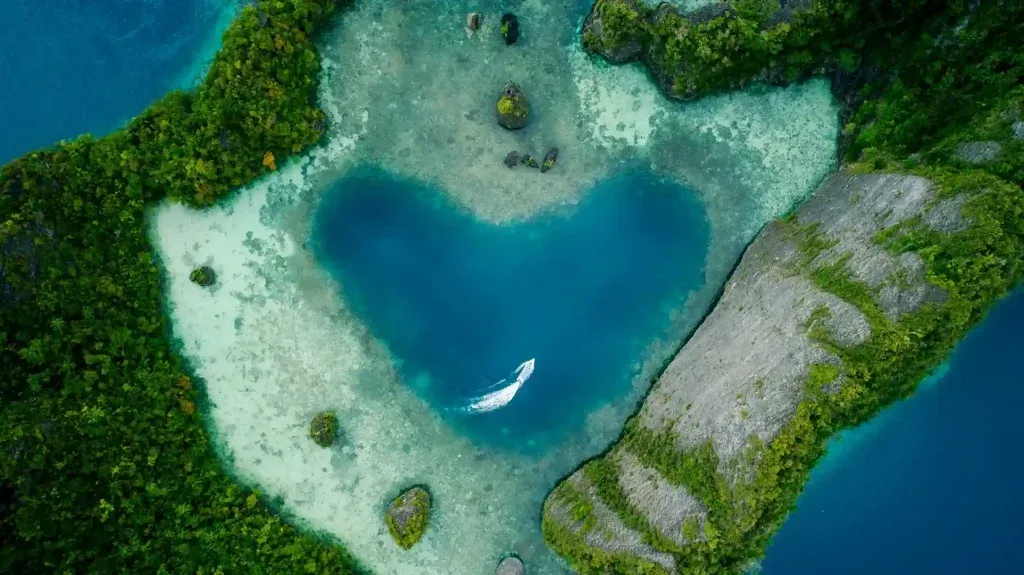
Preparing for a liveaboard experience, particularly in the remote and pristine waters of Raja Ampat, requires a considered approach to packing. The environment aboard a yacht, such as those featured on lombokyacht.com, dictates a minimalist and practical mindset. You will be living in close quarters, often with limited storage, and in a climate characterised by high humidity and consistent sun exposure. The focus shifts from extensive wardrobes to essential, multi-purpose items that enhance your comfort and safety without adding unnecessary bulk.
The very nature of a liveaboard means your ‘home’ is a vessel, not a sprawling resort. Space is a premium, and every item brought aboard should serve a clear purpose. This is particularly true for expeditions to destinations like Raja Ampat, where the primary activities revolve around the marine environment—diving, snorkelling, and exploring small islands. The conditions demand gear that can withstand saltwater, dry quickly, and offer protection from the elements.
Luggage: The Foundation of Smart Packing
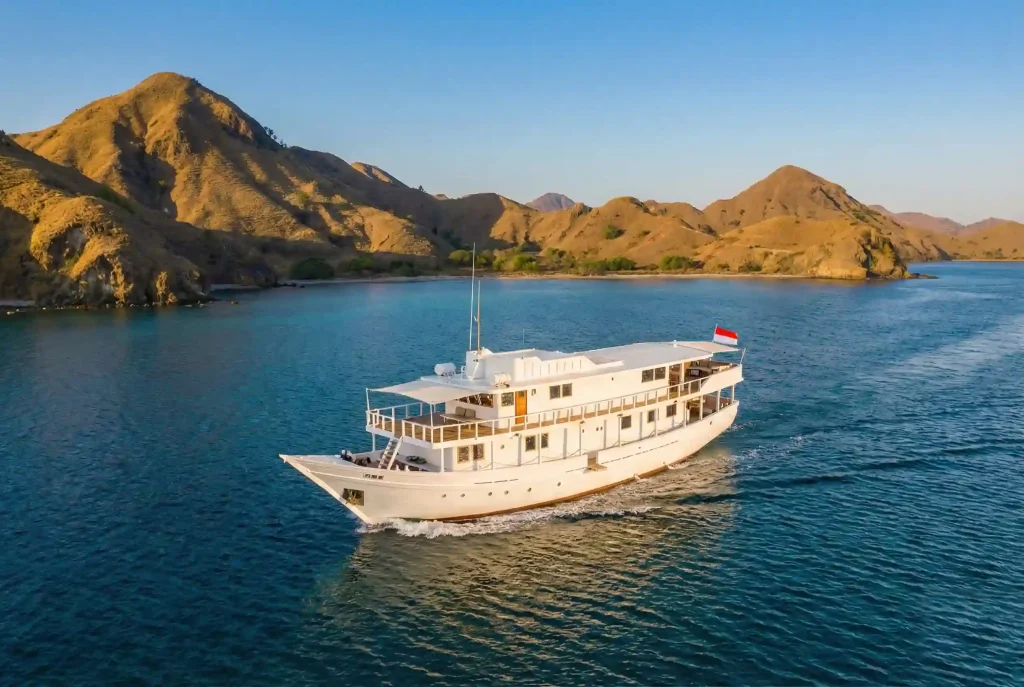
The first and most crucial decision is your luggage type. Hard-sided suitcases are impractical and often prohibited on liveaboards due to their rigid shape and inability to be stowed easily in confined cabin spaces. A soft-sided duffel or backpack, ideally 40 litres or less, is the only sensible option. These bags can be compressed and tucked away once unpacked, freeing up valuable floor space in your cabin. Remember, for those considering chartering a yacht in Raja Ampat, space on even the most luxurious vessels, such as the phinisi and motor yachts operated by Luxury Raja Ampat, is optimised for comfort, not excessive baggage.
Clothing: Prioritising Comfort and Protection
Your clothing choices must align with the tropical climate and water-centric activities. Quick-dry fabrics are paramount. Cotton, while comfortable on land, retains moisture, takes ages to dry in humidity, and can become heavy. Opt for synthetic blends designed for active wear. A sensible wardrobe for a week-long liveaboard includes:
- Two to three short-sleeve shirts
- Two pairs of shorts
- One light long-sleeve shirt (essential for sun protection and reef safety when snorkelling or diving)
- One to two swimsuits (allowing one to dry while you wear the other)
- A light rain jacket, packable and not bulky, for sudden tropical showers
Crucially, leave formal wear at home. All activities, from onboard dining to island excursions, are casual. There is no occasion for smart dresses or collared shirts; practical, comfortable attire is the standard.
Sun and Marine Protection: Non-Negotiables
The sun in Raja Ampat, being close to the equator, is intense. Comprehensive sun protection is not merely advisable; it is essential for health and enjoyment. This includes:
- Reef-safe, biodegradable sunscreen: SPF 50+ and zinc-based sunscreen is not only highly effective but also required in many marine parks to protect the delicate coral ecosystems. Avoid chemical-laden sunscreens.
- Wide-brim sun hat: A hat that offers substantial shade for your face and neck is indispensable on open decks.
- UV-blocking sunglasses: High-quality sunglasses protect your eyes from glare and harmful UV rays, which are particularly strong on the water.
- Light long-sleeve top: As mentioned, this protects your arms from sun exposure during extended periods in the water or on deck.
For navigating wet landings and boat decks, lightweight waterproof sandals are ideal. Avoid flip-flops, which offer less grip and can be easily lost in water. Quick-dry microfiber towels are also a must; while cabins often provide towels, having a personal one that dries rapidly is very useful. Cotton towels are best avoided for the same reasons as cotton clothing.
Specialised Gear: Enhancing Your Experience
While many liveaboards, including those operating from Sorong to destinations like Wayag and Misool, provide essential gear, some items are best brought from home for comfort and familiarity:
- Swim mask and snorkel: If you have a personal set that fits well, bring it. A good fit significantly enhances your underwater experience.
- Underwater camera: A compact, waterproof camera (e.g., GoPro or similar) is perfect for capturing the incredible marine life. Avoid heavy DSLRs with bulky housings, as humidity and space are concerns.
- Dry bag (10-20L): Invaluable for keeping phones, wallets, and other essentials dry during tenders or wet landings.
- Reusable water bottle: Many yachts offer filtered water, so a personal bottle helps reduce plastic waste.
Health and Comfort Essentials
A small, personal first-aid kit is always wise. Include antiseptic wipes, various bandages, blister pads, and any personal medications. Motion sickness tablets are highly recommended if you are prone to seasickness, as conditions can vary. Given the humidity, a sea-breeze or anti-fungal spray can be beneficial for preventing skin irritation.
For onboard comfort, a nightlight or small headlamp with a soft LED is useful, as cabin lighting can be dim after certain hours. A power bank (10,000mAh+) is also advisable, as charging ports in cabins can be limited. Leave high-power electronics like laptops and gaming consoles behind; limited power, high humidity, and restricted space make them impractical. Hairdryers are also not typically provided and are generally unnecessary in the tropical heat.
Items to Leave at Home
To reiterate, certain items are simply not suitable for a liveaboard environment:
| Item | Reason to Avoid |
|---|---|
| Hard-sided luggage | Takes up too much space, difficult to store |
| Cotton towels | Slow to dry, heavy, prone to mildew |
| High-power electronics | Limited power, humidity risk, space constraints |
| Heavy jewellery | Corrodes in saltwater, unnecessary for activities |
| Hairdryers | Not provided, high power consumption, unnecessary |
| Formal wear | No occasion for it; all activities are casual |
By adhering to these guidelines, you will ensure a comfortable, practical, and enjoyable liveaboard experience, allowing you to focus on the spectacular marine environment that a Lombok yacht expedition offers.
2027 Note: While specific booking trends for 2027 liveaboard expeditions are still forming, demand for prime dates and sought-after vessels, particularly in destinations like Raja Ampat, typically solidifies 18-24 months in advance. For the most in-demand expedition cruises, securing your preferred dates by early to mid-2025 is advisable to avoid disappointment. This lead time is especially crucial for smaller, luxury phinisi yachts with limited cabins.
FAQ
What type of bag is best for a liveaboard?
A soft-sided duffel or backpack, ideally 40 litres or less, is best. Hard cases are not suitable due to limited storage and cabin space on liveaboard yachts.
Are cotton clothes suitable for a tropical liveaboard?
No, cotton is generally unsuitable. Opt for quick-dry synthetic fabrics as cotton retains moisture, dries slowly in humidity, and can become heavy and uncomfortable.
Is reef-safe sunscreen really necessary?
Yes, reef-safe, biodegradable sunscreen (SPF 50+, zinc-based) is essential. It protects both your skin from intense tropical sun and the delicate coral reefs in marine protected areas like Raja Ampat.